



Blog
Get The Latest Industry Trends
-
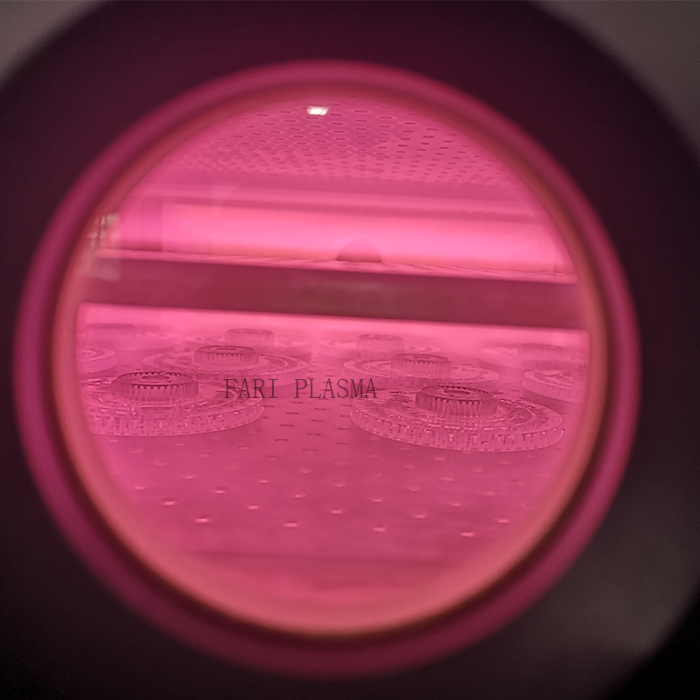 BlogLearn how vacuum plasma cleaning and activation improve UV printing, coating, lamination, and bonding on acrylic PMMA sheets without solvents or high-temperature damage.30 Oct, 2026Vacuum Plasma Treatment for Acrylic PMMA Sheets: A Case Study
-
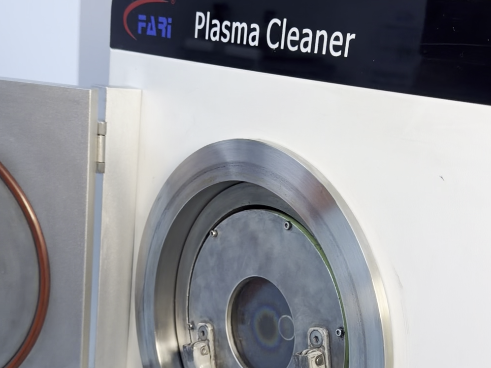 Plasma BasicsDiamond powder can carry graphite residue, oils and other surface contaminants that affect dispersion, plating and composite performance. Rotary drum vacuum plasma treatment provides a dry way to clean and activate individual particles while maintaining the bulk properties of the diamond.28 Oct, 2026Diamond Powder Plasma Treatment: Cleaning, Activation and Better Wettability
-
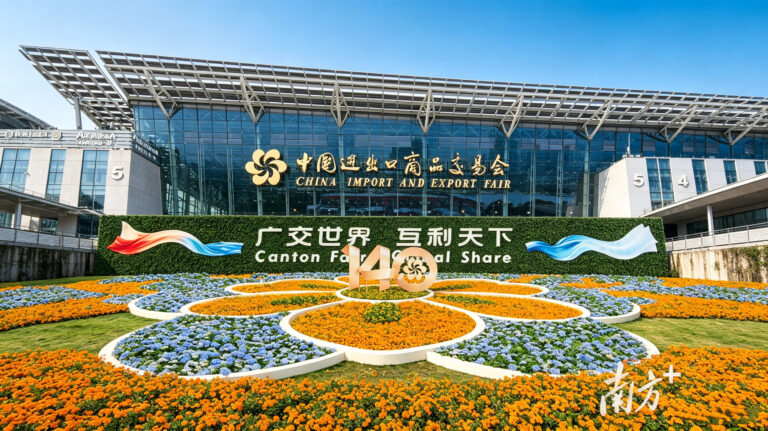 BlogFARI Plasma presented plasma cleaning, activation and etching equipment at the 140th Canton Fair and discussed customized solutions with international buyers.22 Oct, 2026FARI Plasma Showcases Plasma Cleaning and Etching Equipment at the 140th Canton Fair
-
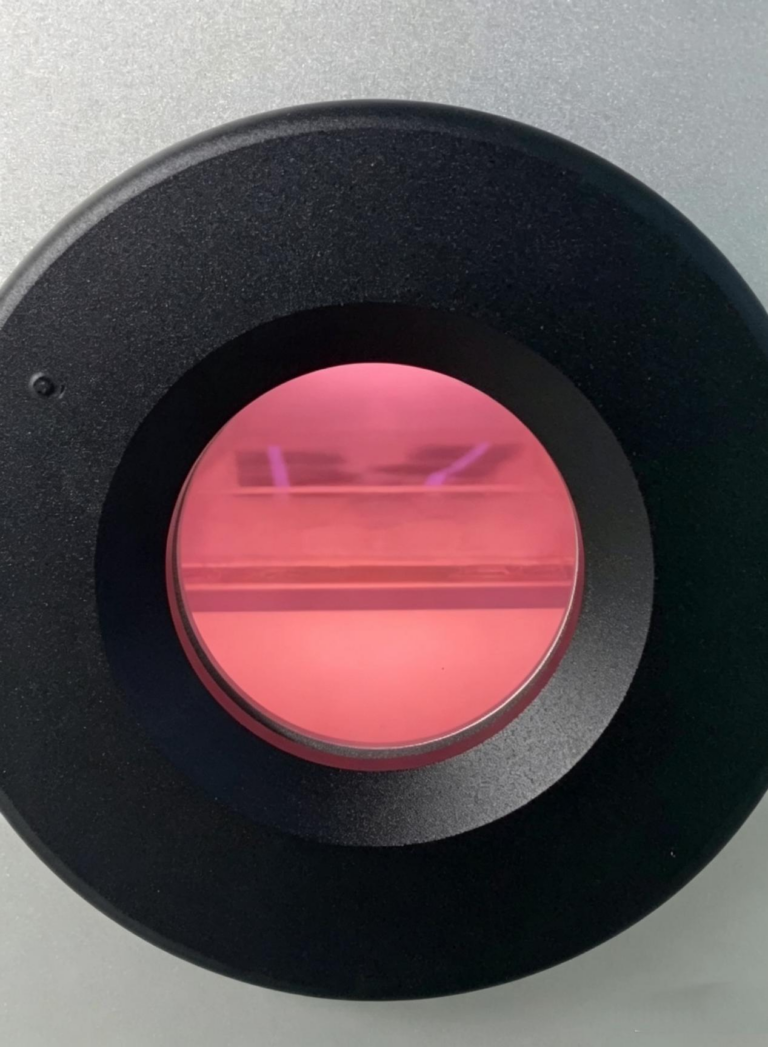 Plasma BasicsPBT false eyelash fibers are difficult to bond when low surface energy and silicone processing residues prevent adhesive from wetting the root evenly. Vacuum plasma cleaning and activation can prepare the fiber surface without adding another wet-cleaning step.20 Oct, 2026Plasma Treatment for PBT False Eyelash Fibers: Improve Adhesive Bonding
-
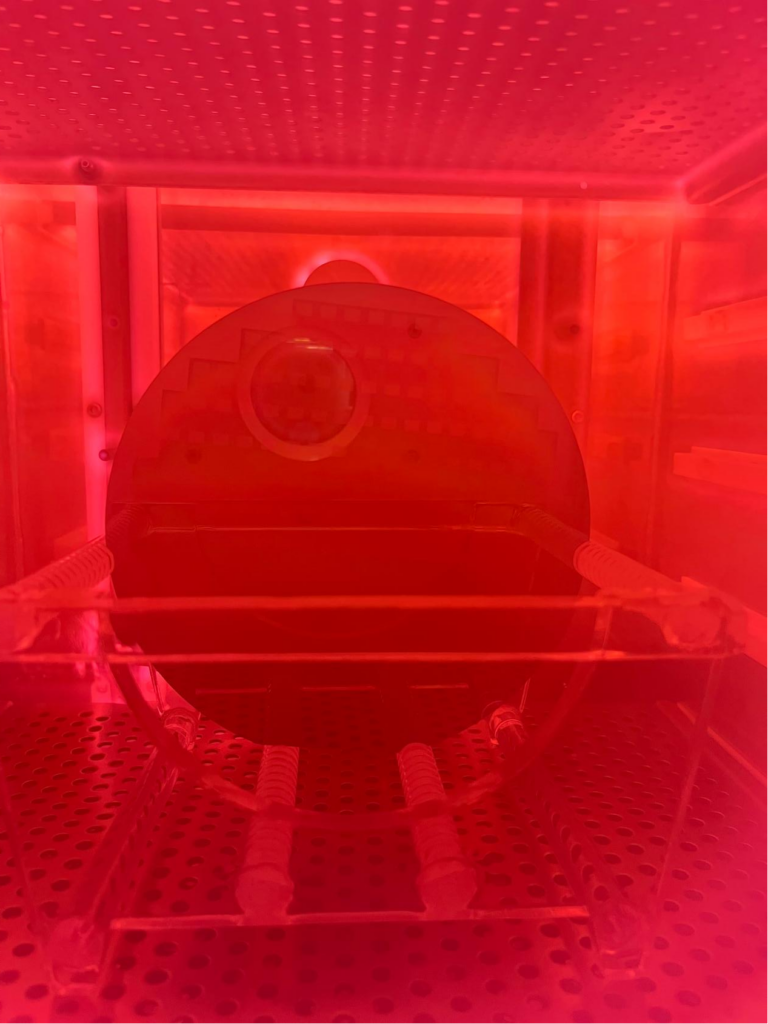 Plasma BasicsMicroscopic organic contamination and photoresist residue can interfere with bonding, coating and advanced semiconductor packaging. Controlled plasma cleaning provides a dry precision step that complements wet cleaning before critical downstream processes.15 Oct, 2026Wafer Plasma Cleaning: Surface Preparation for Semiconductor Processing
-
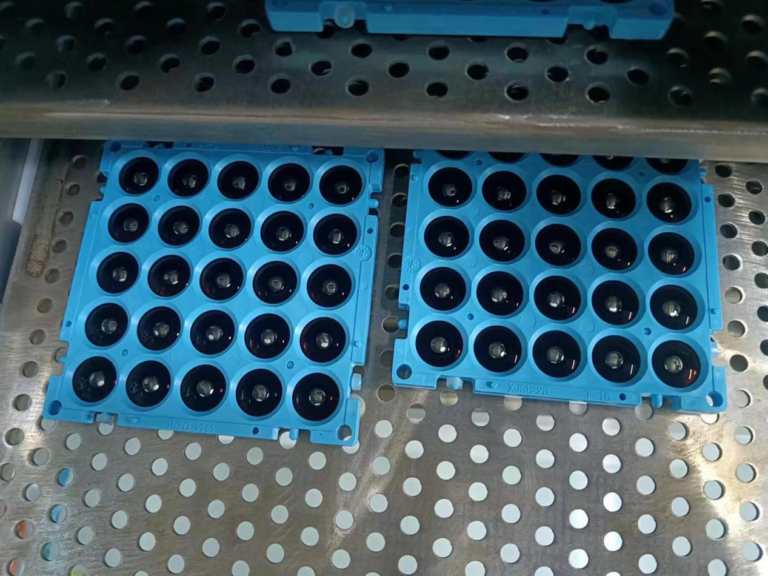 Plasma BasicsTrace polishing residue, mold release and organic contamination can undermine coating and adhesive performance on smartphone camera lenses. Low-temperature plasma provides dry precision cleaning and surface activation before AR/AF coating or module bonding.08 Oct, 2026Plasma Cleaning for Smartphone Camera Lenses: Better Coating and Bonding